

Food and Beverage eCommerce: How Can Businesses Thrive Online?
We create high performing ecommerce stores that help food and beverage brands sell smarter, ship faster, and delight customers everywhere.

Why Work With Us
Food and beverage e-commerce isn’t like selling T-shirts or gadgets. It requires a platform that can manage temperature-sensitive products, expiration dates, specialized labeling, and unique delivery requirements while giving customers a smooth, enjoyable shopping experience.
- Expertise in managing perishable goods with expiry tracking
- Integration with cold-chain and regional shipping systems
- Compliance with FDA, nutrition labeling, and local food laws
- Seamless subscription order management for repeat sales
- Multi-channel selling across marketplaces and social platforms
Industries We Serve in Food & Beverage E-Commerce
From restaurants to confectioneries, we create tailored online stores for every kind of food & beverage business.

Restaurants & Cafes
Online menus, table booking, and order management.

Packaged Goods
Wholesale portals and retail-ready product pages.

Beverages
Subscription models, seasonal launches, and gift sets.

Confectioneries
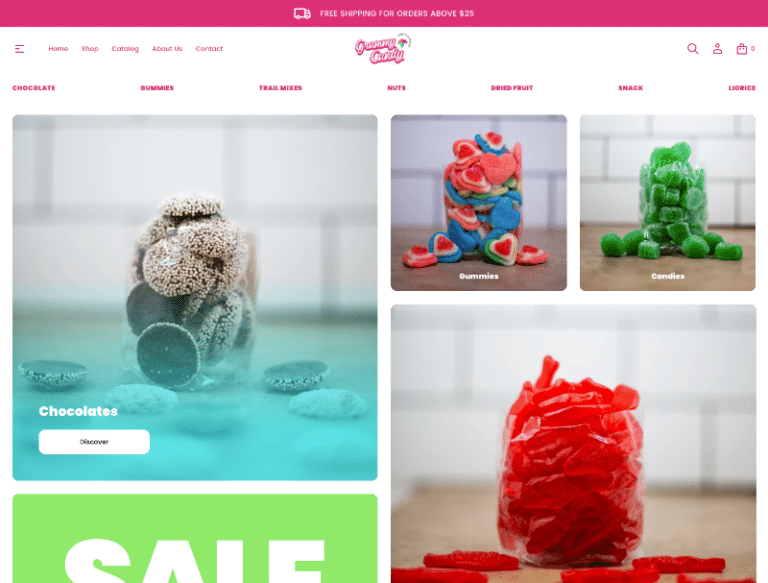
Gift packaging, seasonal campaigns, and multi-location delivery.

Dairy & Frozen
Temperature-controlled logistics and expiry tracking.

Catering & Events
Bulk order systems and event date scheduling.
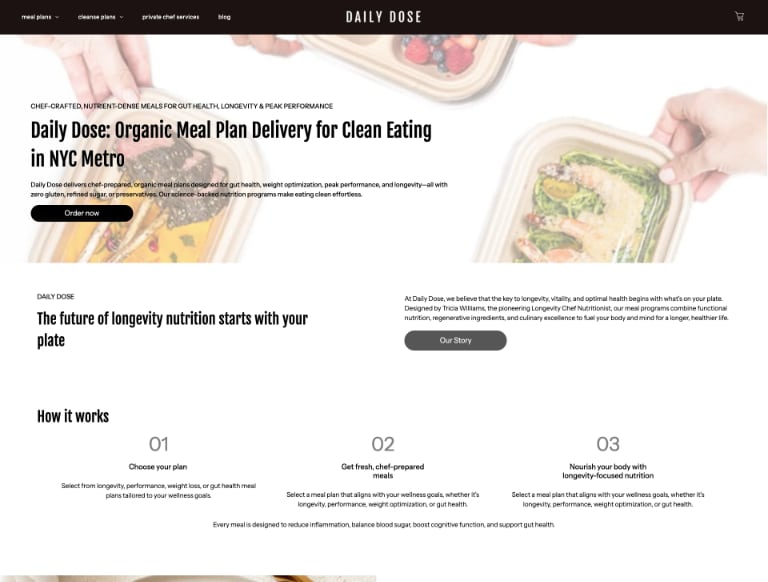
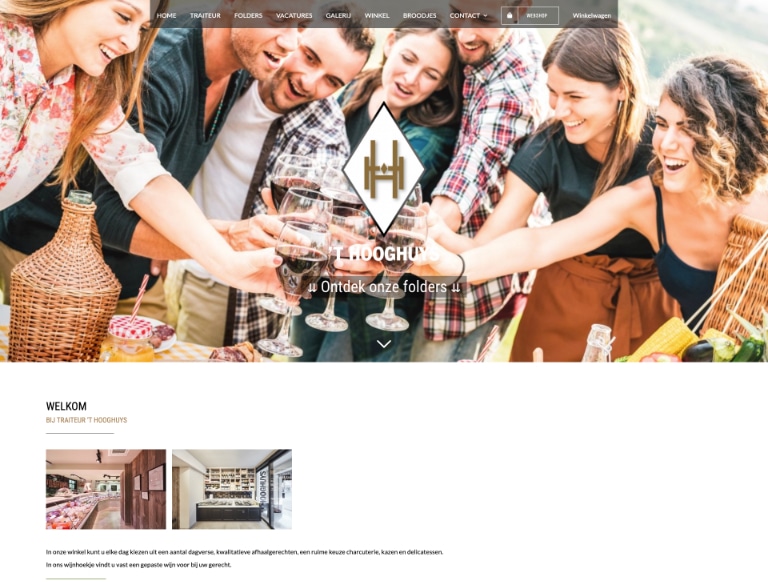
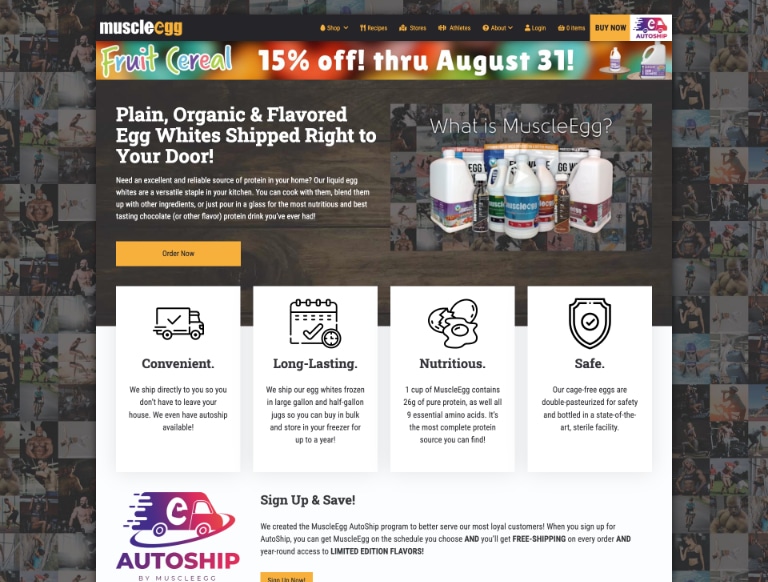
Trusted by Leading Food & Beverage Brands
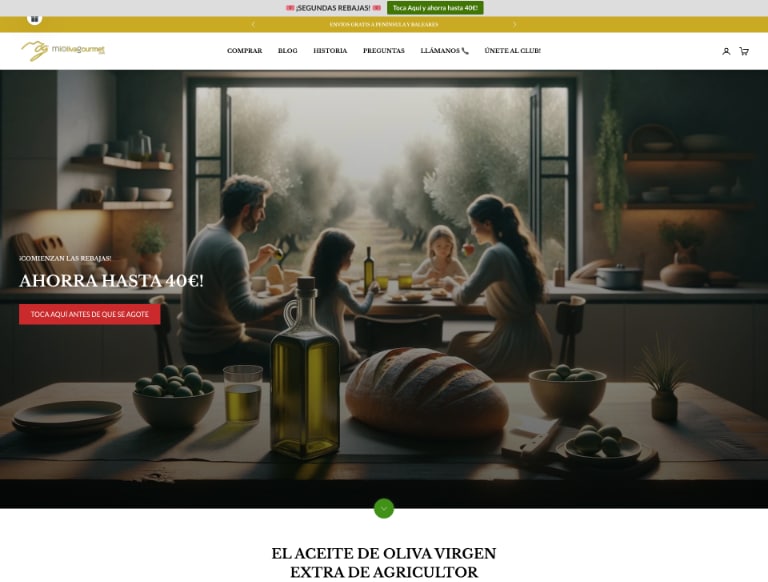
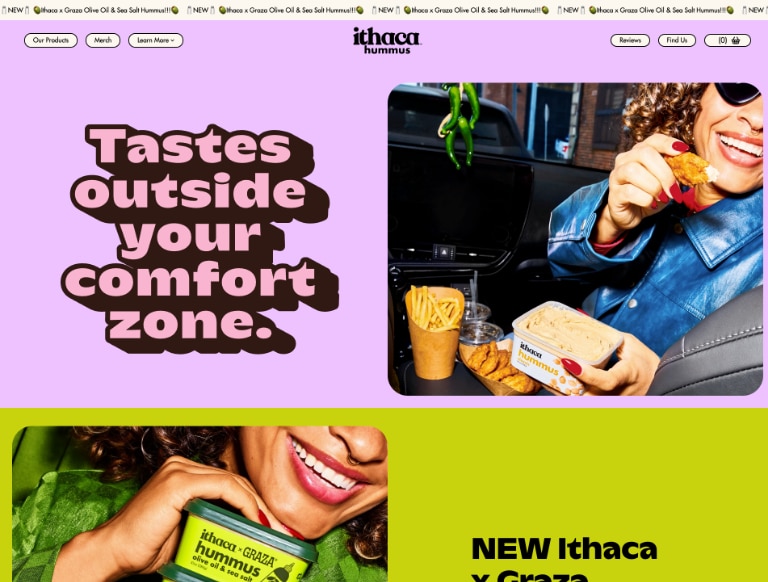
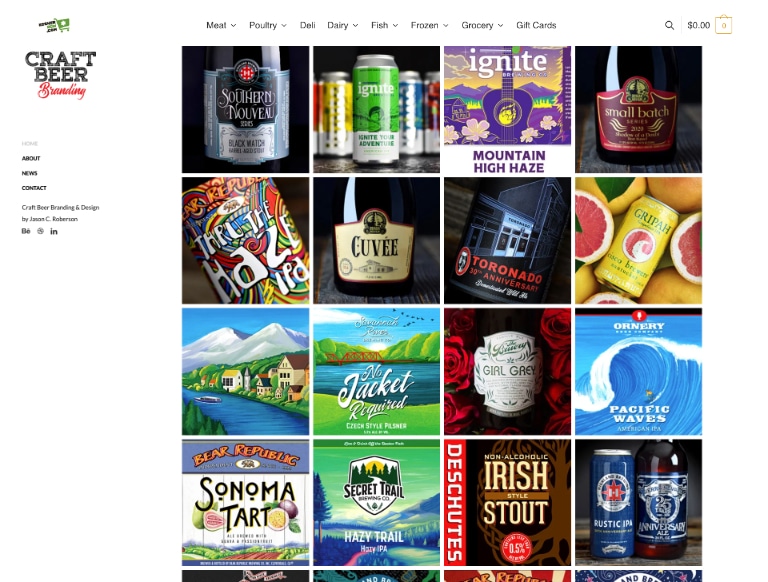
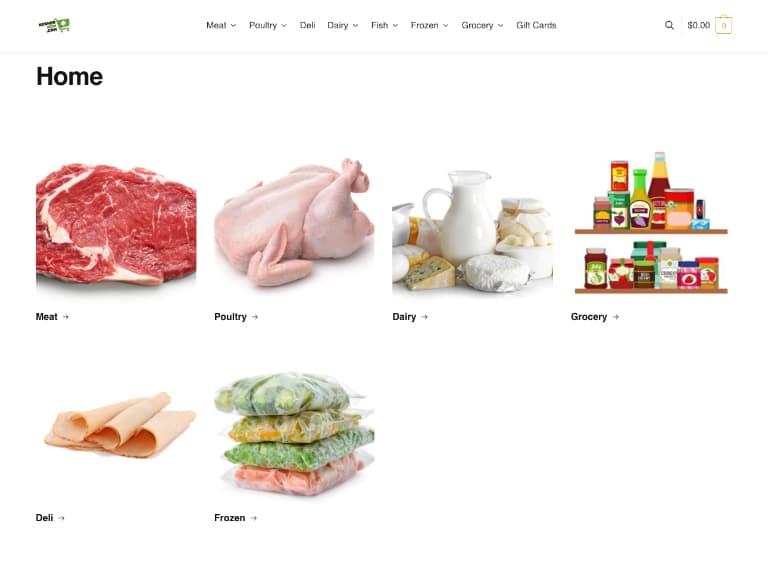
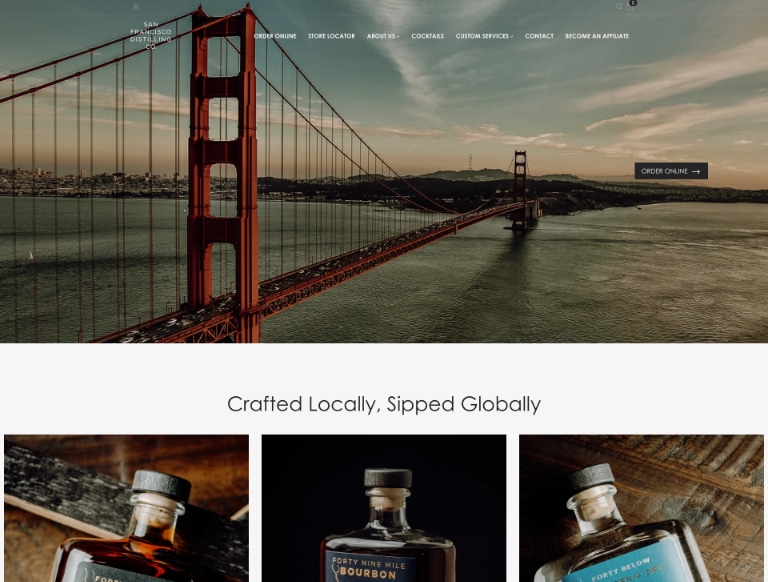
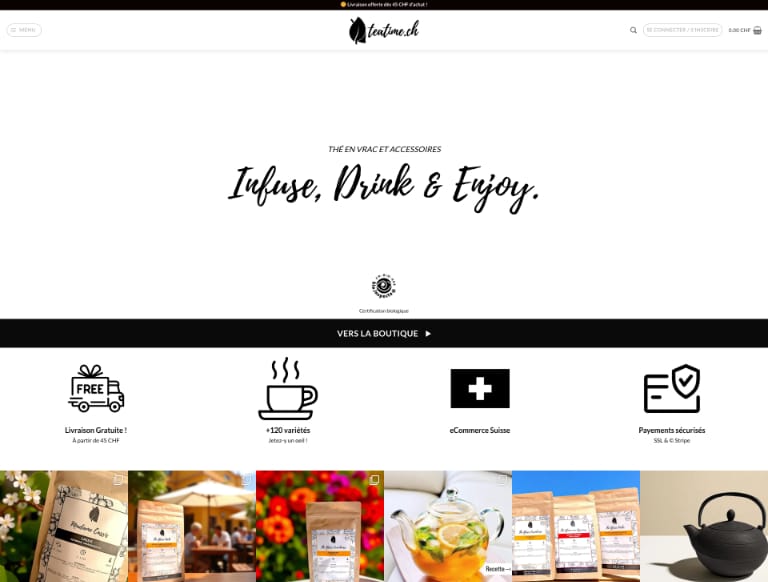
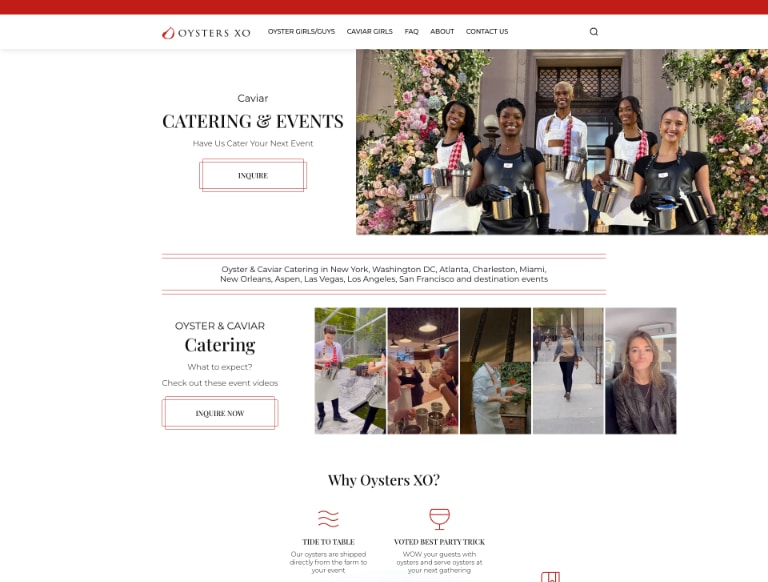
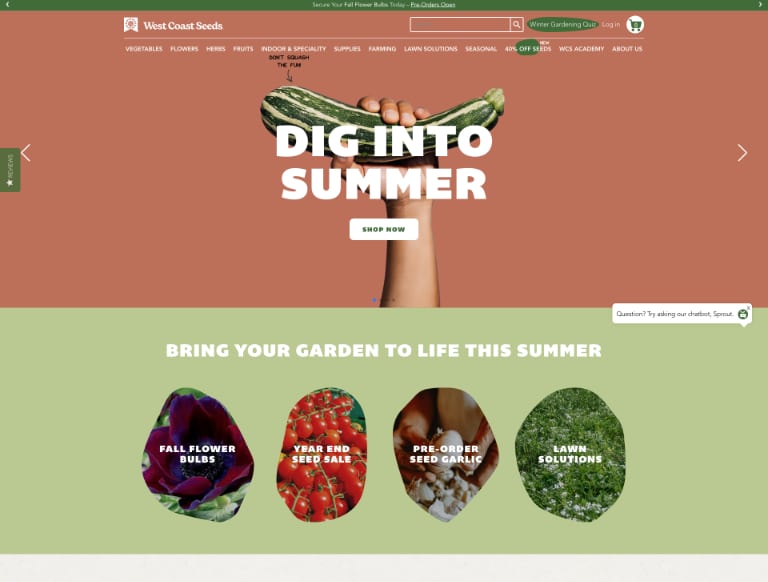
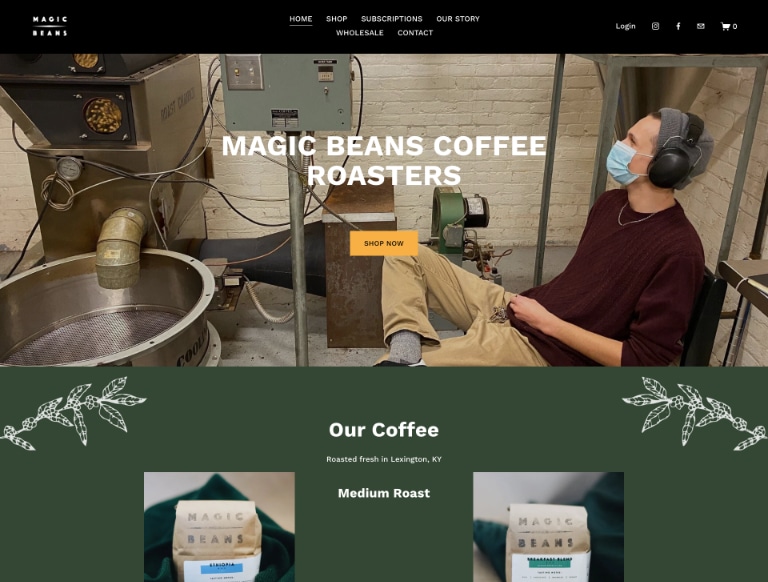
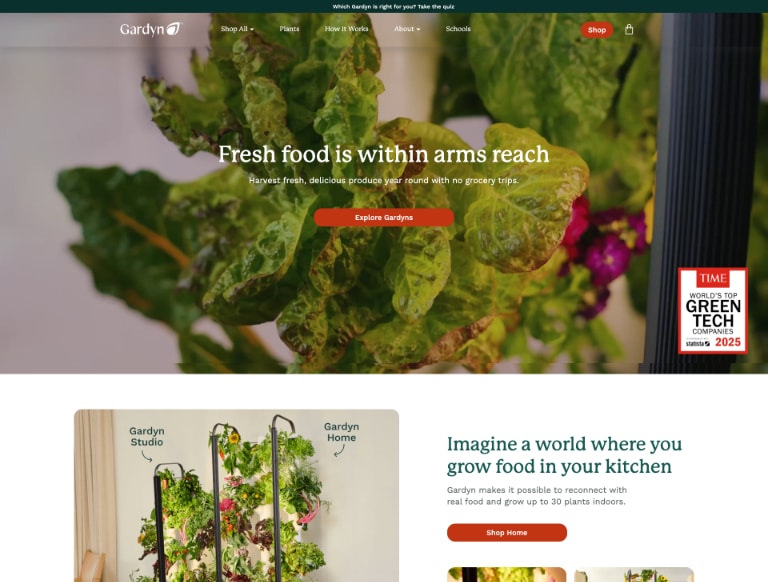
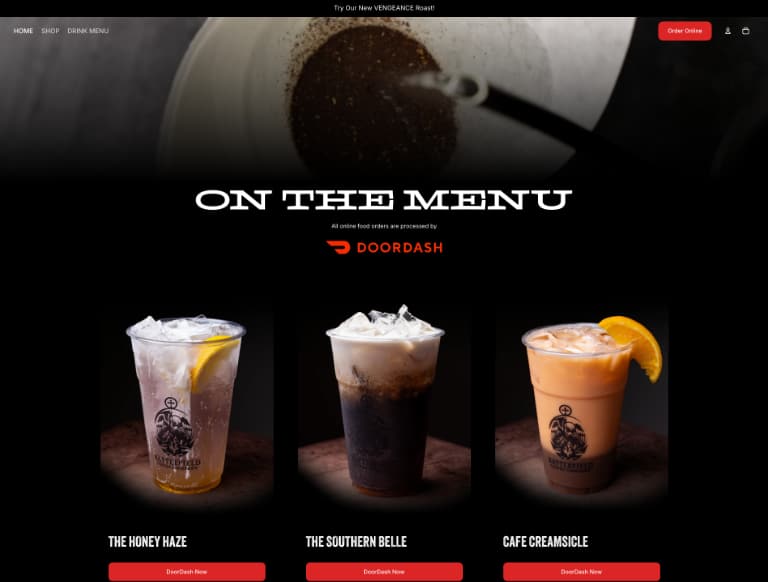
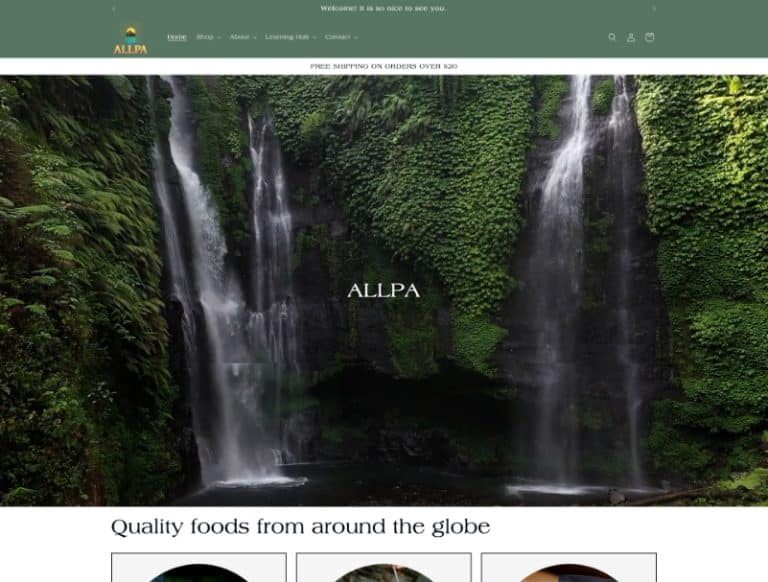
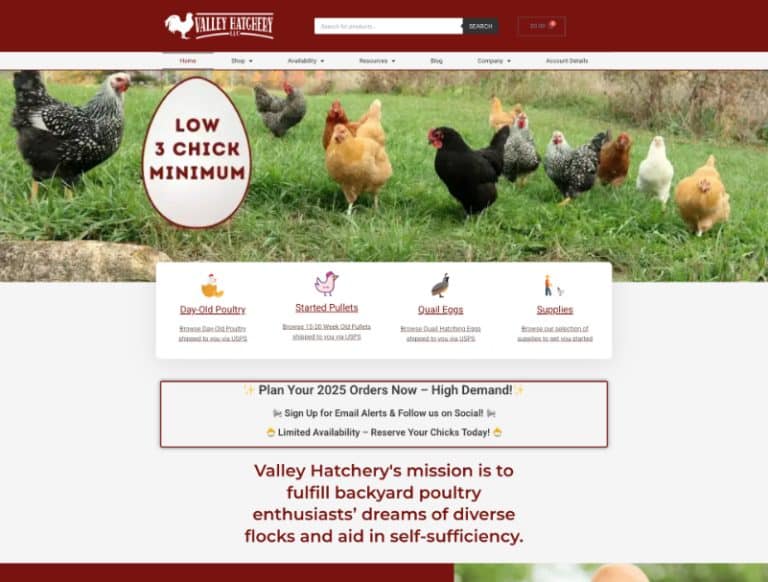
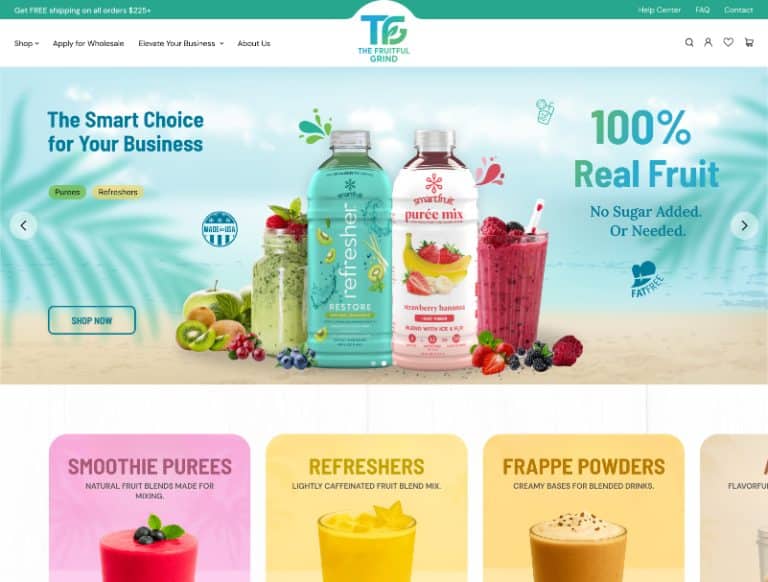
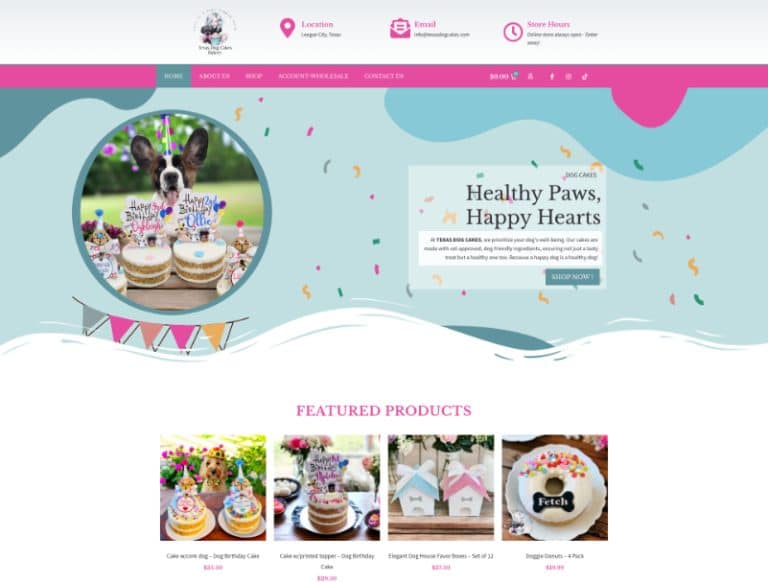
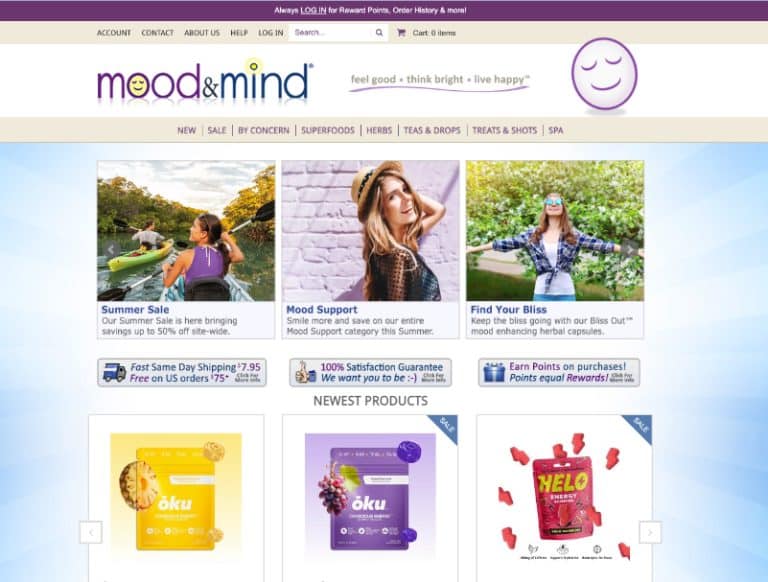


How does e-commerce help food and beverage businesses grow?
Selling online expands your market reach and increases repeat sales through subscriptions and loyalty programs. It also reduces reliance on physical storefronts and improves customer satisfaction with personalized experiences.
How can my business succeed in food and beverage e-commerce?
Success comes from combining the right platform, features, and customer experience. At Virtina, we:
- Build custom store designs that reflect your brand
- Add engaging features like rewards or promotions
- Integrate advanced order tracking and delivery tools
- Ensure your store works flawlessly on mobile and desktop
With the right approach, your store can stand alongside the biggest names in the industry.

Our Core Services
Every food and beverage business is different. Whether you’re a local bakery looking to start online sales or a nationwide brand scaling operations, we provide tailored solutions that fit your model.

Custom store development (WooCommerce, Shopify, Magento)

Subscription setup and loyalty programs

Real-time inventory and order automation

Mobile-first UI/UX

Compliance-ready store features

Marketplace and POS integration
Which eCommerce Platforms Are Best for Food and Beverage Businesses?


Flexible and scalable

Quick to launch, easy to manage

Enterprise-level features and performance

Robust built-in features with powerful multi-channel selling
Not sure which platform is best for your business? We’ll match the right solution to your products, growth goals, and budget.
Our Process
We’ve refined our approach to make launching or upgrading your food and beverage store efficient and stress-free.
01

Discovery
We learn about your products, audience, and compliance requirements.
02

Platform Selection
Choose the technology that aligns with your goals.
03

Design & Build
Custom, mobile-first store development.
04

Optimization
Improve speed, usability, and checkout conversion.
05

Launch & Scale
Training, support, and continuous improvements.
Start a project with us!
Virtina can help you to increase your revenue, improve profit and enhance customer experience.
Food and Beverage eCommerce - Frequently Asked Questions (FAQs)
Food and beverage companies can no longer rely solely on traditional distribution channels. eCommerce enables scaling nationally or globally, streamlining supply chains, implementing direct-to-consumer (D2C) strategies, and leveraging data analytics for personalized marketing and operational efficiency. It reduces dependency on intermediaries while providing a resilient, omnichannel approach.
- Managing high-volume inventory and perishable goods.
- Navigating complex regulatory compliance.
- Integrating multiple systems like ERP (Enterprise Resource Planning) and CRM (Customer Relationship Management).
- Maintaining a consistent brand experience across all channels.
eCommerce helps B2B operations by providing customized pricing, bulk order management, contract-specific catalogs, and automated replenishment. Real-time inventory visibility, delivery scheduling, and analytics help optimize logistics, reduce waste, and improve order accuracy across multiple distribution points.
A strong eCommerce platform must have the following capabilities:
- Omnichannel Support
- AI-Driven Personalization
- Advanced Integration
- Compliance Automation
Automated batch tracking, temperature monitoring, and recall management systems are crucial. Online platforms must integrate regulatory compliance workflows, including FDA and USDA guidelines, labeling requirements, alcohol age verification, and local food safety laws, to prevent legal and reputational risks.
AI helps analyze customer behavior at scale, offering tailored product recommendations, predictive ordering, dynamic pricing, and personalized marketing campaigns. This boosts conversion rates, customer loyalty, and lifetime value while optimizing inventory and reducing overstock.
Omnichannel strategies unify online, offline, and mobile touchpoints, providing seamless experiences for B2B, B2C, and D2C customers. Centralizing inventory, order fulfillment, and customer data improves customer retention, broadens market reach, and ensures operational efficiency.
Subscription models benefit food and beverage businesses in several ways:
- Recurring revenue
- Customer insights
- Loyalty and engagement
- Operational efficiency
Food and beverage businesses should focus on:
- Mobile-first commerce
- Voice ordering
- AR/VR product experiences
- AI-driven personalization
- Sustainability-focused packaging
- Hyperlocal delivery and integration with IoT-enabled logistics
Staying ahead of these trends ensures competitiveness and customer satisfaction.
Companies can differentiate through niche product offerings, superior supply chain management, premium customer experiences, strong brand storytelling, and leveraging AI and automation. Strategic partnerships, local sourcing, and omnichannel engagement allow businesses to capture market share while remaining agile and profitable.

