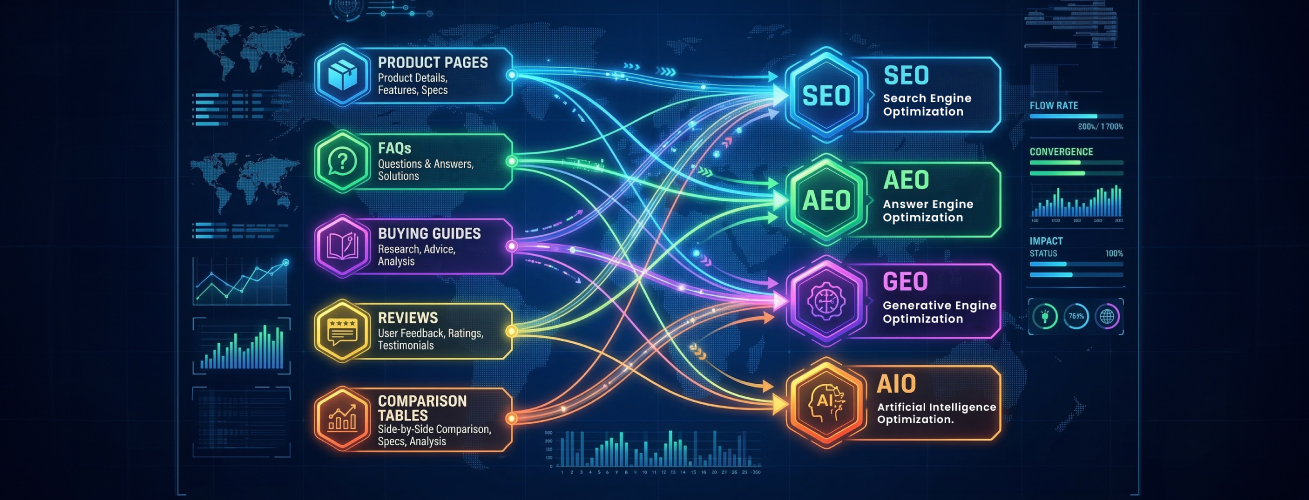
Summary
AI can guess what someone wants before they even look. Every visit feels personal. Marketing, browsing, buying, it all blends. That’s what shoppers expect.
Brands that move fast get ahead. With the right AI strategy, guided by experts like Virtina, that future isn’t years away.
The eCommerce funnel used to be how brands turned curious visitors into buyers. It helped catch attention, build interest, and make the sale. That made sense back when people shopped in a clear, step-by-step way. But that’s not how it works anymore. The funnel that once guided the process has started to flatten out. Today, conversational AI and predictive analytics don’t just assist shoppers; they lead them. For brands, it’s no longer about moving customers from one stage to another. It’s about being ready when a shopper decides to buy because that could happen anytime.
Table of Contents
What Is an eCommerce Sales Funnel?
The eCommerce sales funnel starts when someone comes across your brand and continues long after they’ve made a purchase. The idea isn’t just to get that first sale, it’s to make sure they return.
It’s called a funnel because it starts wide and narrows as people move closer to buying. Many people might notice your store or product, but only a few click “buy now.”
Why the Traditional Sales Funnel No Longer Works
The classic sales funnel once defined marketing. It assumed shoppers moved neatly from Awareness to Interest to Desire and finally Action. In theory, it looked great, predictable, and easy to measure.
That world doesn’t exist anymore. People don’t shop in neat little steps now. They jump around, skip parts, and decide in an instant. The old funnel just can’t keep up with how fast things move or how personal shopping feels today.
⇨ How Shopper Behavior Has Changed?
The way we shop now is nothing like before. Technology’s just part of everything we do. We usually don’t plan to buy something; we just see it, like it, and click “add to cart.” It happens in seconds, almost without thinking.
⇨ Non-Linear, Self-Directed Journeys
There’s no path from “thinking about it” to “buying it.” People jump in wherever they want. Someone might browse during lunch, forget about it, then see the same product that night on Instagram and hit buy without overthinking. The process is scattered, but it feels normal to the shopper.
⇨ Jumping Stages
Sometimes, people skip the middle altogether. They’ll see a product in a short video, click the link, and buy it before the clip ends. The slow build from awareness to decision is gone; people act when it feels right.
⇨ Omnichannel Habits
Shoppers move between devices and places without noticing. They could start on a laptop, compare options on their phone, and finish the purchase in-store. It’s one journey to them, even if it spans three channels. The smoother that feels, the more likely they will trust your brand and return.
⇨ Self-Education
People don’t rely solely on what brands say anymore. They turn to YouTube unboxings, Reddit threads, or influencer opinions long before visiting your site. That means brands have less control over the “Awareness” and “Interest” stages than ever.
What Today’s Shoppers Expect
1. Speed
2. Personalization
Shoppers want to feel like your brand actually gets them. Generic emails and ads? People skip them. They just don’t connect. Every message must feel like it’s made for the person reading it.
Those “You might also like…” suggestions? They actually have to help. Don’t just throw random products at someone. And all that data running behind the scenes? It should make the experience feel personal, not robotic. That’s what matters. When it feels thoughtful, people notice. When it feels automatic, they tune out.3. Convenience
No one wants to pinch and zoom their way through a clunky website. If your store doesn’t work smoothly on a phone, you’ve probably lost the sale before it even began. Mobile-first isn’t some fancy trend; it’s just how people shop now.
Payment options should be flexible and make the checkout feel effortless.
Returns need to be simple. If someone can send something back without stress, it builds more trust than any flashy ad ever could.
Subscriptions or auto-reorders are lifesavers for the things people use every day. They save time and make life just a little easier, which is precisely what shoppers notice and appreciate.
How is Moving Beyond Funnels
The traditional funnel ends at conversion, a sale, a handshake, a “thank you.” But in modern eCommerce, that’s just the halfway point.
Brands now think in loops, not funnels. The Flywheel model, which HubSpot popularized, explains it well. Instead of treating customers as just a goal to hit, you use their satisfaction to get more referrals and repeat sales. It’s like a spinning wheel; the happier your customers are, the more momentum your business builds.
How is AI Reshaping the eCommerce Funnel?

You might see a cool shirt on Instagram, click the link, get a special deal just for you, and buy it, all in sixty seconds! Done. That’s AI at work. It’s so smart, it can practically guess what people want even before they start looking.
So, instead of those slow, clear steps like first "finding out" about something or "thinking about" it, everything happens simultaneously. It’s not a line of steps; it’s a quick flash. The system learns what you like, reacts instantly, and gets the sale right now.
This means brands can't follow the old playbook. If they want to grow, they have to use AI smartly. They need to figure out what people want, guess what they'll buy next, and make shopping feel personal and easy. It’s all about speed and knowing you.People Also Ask (PAA) Questions & Answers
⇨ What does "collapsing the funnel" mean?
⇨ How does AI improve shopping?
AI is like a super-smart personal assistant for online stores. It makes everything easier. It shows you stuff you’ll probably like, answers quick questions immediately, sometimes changes prices fairly, and ensures they have enough stock. It’s a quiet helper who notices what you need before asking. People really like those little touches.
⇨ How do AI recommendations work?
It’s basically a super good memory. The computer remembers everything you’ve looked at, clicked on, or bought. Then, it uses that history to guess what you want next. For example, buying a new phone might quickly show you a phone case or cool headphones. It's not random guessing; it's really thoughtful.
⇨ Why should brands start using AI now?
Because everyone wants things now, shoppers expect things to be fast, easy, and personal. AI makes buying smoother, making people more likely to buy things and keep returning. The companies that use AI well will stay ahead of the game. The ones that don’t? They’re going to get left in the dust. Online shopping moves fast, and people always expect it to move faster.
How AI Changed the Way We Shop
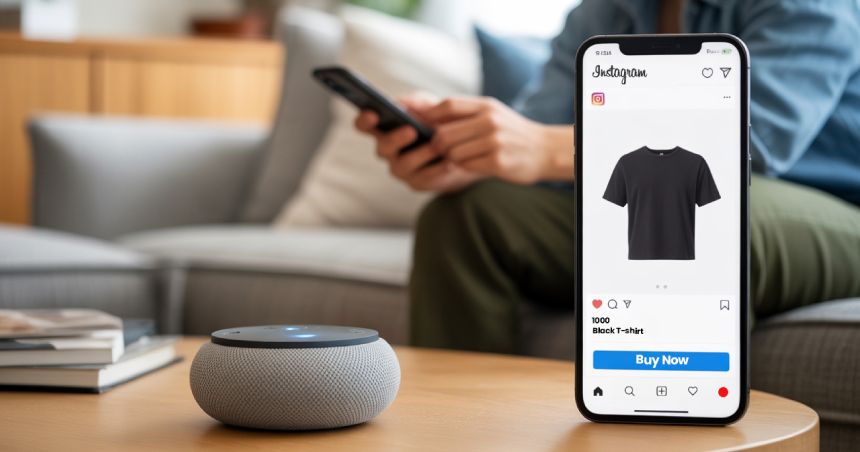
When did we last go through that super long, annoying online shopping thing? You know the drill. Endless scrolling, messing with filters, waiting forever for some email that lands in your spam. Seriously, who has time for that now?
These days, it’s completely different. You’re scrolling through Instagram, maybe watching a YouTube clip, and there it is. The product just… works. Right color, right size, perhaps even a newer version of something you bought a while ago. With one click, you’re suddenly on this clean page that feels like it knows you. Not magic, not luck, it’s AI quietly doing its thing in the background, making all the annoying steps disappear.
And it’s not just screens anymore. Voice commands? Total game changer. Who even types now? I just say, “Alexa, reorder my usual coffee,” or “Hey Google, find me some running shoes under fifty bucks,” and boom. Done. It knows my stuff, checks my history, and handles everything. I literally don’t do a thing.
Then chat. Instead of digging through menus or waiting on hold, you’re actually talking to something that almost feels like a real person. “Is this shirt Medium? Can I get it tomorrow?” Instant answer. Even better, it drops the checkout link right there. Click. Pay. Done. That’s it.
Here’s the thing. AI has basically erased the gap between seeing something and owning it. That old “funnel” idea, you know, moving slowly from thinking to buying? Gone. Now it’s all one smooth, seamless thing.
Behind it all, these tools watch what you do and determine the next logical nudge. That’s why it always feels… just right.
People don’t want steps anymore. They want to go from seeing to buying in one smooth motion. For any business that wants to keep up, using AI for recommendations, chat, and smart nudges isn’t optional. It’s how you make your customers happy, your brand feel personal, and, honestly, stay ahead. Read more to learn about AI in eCommerce.How AI Is Powering This Shift
⇨ Predictive Analytics
Predictive analytics is like staring at messy data and just saying, “Alright, I’ve got this.” It looks at everything, like past purchases, how someone browsed, the time of day, and even what’s popular nearby, and figures out what that person might do next.
Take dog food, for example. If someone buys it every month, the system can nudge them a couple of days before they run out. That little reminder? It often turns a “maybe later” into a purchase. And if it works well, it can even become a habit, automatic, recurring orders.
⇨ Personalization Engines
A personalization engine isn’t just “recommended for you.” It rearranges the whole page, swaps the hero image, and surfaces the deals that matter to that person. It notices tiny signals, what they hovered over, and what they ignored, and stitches a page together that looks like it was made for them. That is what makes shoppers stay. It’s not just relevance; it’s the comfortable feeling of being understood.
⇨ Conversational AI and Chatbots

Chatbots today aren’t like those old, stiff FAQ bots. They feel like someone is actually helping you. They answer questions, suggest products, and even let you pay right in the chat. Picture this: someone asks, “Can I get this by Friday?” They get an answer immediately, plus a one-tap checkout. No waiting. No hunting through menus. Shopping feels easier, and people are less likely to leave their carts behind.
Dynamic Pricing and Inventory OptimizationPrices don’t have to stay the same. When demand goes up, prices rise. When there’s plenty of stock, prices drop. Mix that with smart inventory tracking; you know precisely what to reorder without guessing. Bestsellers stay in stock. Slow-moving items don’t pile up. Your warehouse stays neat. Happy customers, better profits.
How Brands Can Adapt to the Collapsed Funnel

Shopping happens in moments, not steps. People can go from discovering a product to buying it in seconds, like seeing something on Instagram and ordering it right there.
So, brands can’t wait for customers to move slowly through each stage (like awareness → interest → decision → purchase). Instead, they must always be ready with the right ad, offer, or message, no matter where the shopper is.
Every second counts, and customers expect things to feel quick, easy, and personal.
Here’s how eCommerce brands can stay ahead in this new reality.
⇨ Automate the Everyday
Emails, ads, and checking inventory take up your team’s time. AI can just take care of that. You don’t even have to think about it. That frees you to focus on the things that matter, like strategy, ideas, and planning.
Say someone keeps looking at a product but never buys it. AI can send a small reminder email automatically. To them, it feels helpful and timely. To you? It's totally hands-free.
⇨ Build a Frictionless User Experience (UX)
You know, speed and simplicity are everything these days. If a site loads fast, remembers what you like, and makes checkout easy? That’s the one people actually stick with.
Navigation should be simple, mobile-friendly, and obvious. Tiny things like autofilling addresses or letting someone check out as a guest… matter. They can be the difference between a sale and someone just bouncing away. It's crazy how the small stuff works like that.
⇨ Connect Your Systems with AI-Integrated CRMs
Most brands collect data. But barely anyone actually uses it well. AI-powered CRMs pull info from everywhere, like websites, chat, email, social media, and combine it all. Suddenly, patterns start showing up. You can see what someone might do next. And then? You act. Fast.
Working with an agency like Virtina makes this easier. Imagine getting a ping about a repeat buyer or sending a perfectly timed offer.⇨ Make Every Decision Data-Driven
Gut instinct is fine, sure. But it’s not enough. AI-powered analytics tools show what’s working, what’s not, and exactly where people get stuck.
Instead of guessing why someone left their cart behind, you can see the exact spot they tripped up. Fix it. Fast. Over time, it becomes a loop: Faster insights, better moves, and more conversions. It’s like tuning a car while driving it, keeping things running smoothly instead of hoping nothing breaks down.
⇨ Partner with the Right Experts
This isn’t about buying one shiny tool and calling it done. No. It’s about building a system that actually works together. That’s where Expert-led, Al-In-The-Loop Platform like ImpelHub comes in. They help you integrate predictive analytics, personalization, automation, and everything else. They allow you to create the kind of shopping experience people actually remember.
Frequently Asked Questions (FAQs)
The old funnel was slow. You’d go from awareness to interest, think, and maybe buy. Now, with AI, it’s almost instant. See something, get a helpful nudge, chat if needed, and you’re done. There's no dragging it out, no waiting.
AI is like having a little assistant in your pocket. It knows what you want and shows it to you fast. Ask a question in chat—boom, instant answer. It even drops a checkout link right there. You don’t have to hunt around. It makes life easier.
Not really. It’s smarter. Feels like a real person sometimes. Remember what you like. Answers questions like, “Will this go with my jeans?” Helps you through the whole thing without that old clunky menu nonsense.
It is a watch, but in a helpful way. It looks at clicks, buys, what you pause on, and even what people like you buy. Then, it will help you guess what you want next. That’s why the suggestions always seem perfect.
Honestly? People don’t have patience anymore. They want fast, easy, personal. Brands using AI give that, keeping people happy and coming back. Brands that don’t? Well… they fall behind. It’s just the way it is.